The Development of Horizontal Directional Drilling Methods


This world of construction and infrastructure development has witnessed significant advancements over the time, with HDD emerging as a groundbreaking technique in no-dig construction. Such method, which enables the installation of services beneath the ground's surface sans large trenches, has revolutionized how we handle projects, particularly in city settings. Not only does HDD minimize surface disruption, but it also offers a wealth of advantages that render it the preferred choice for many construction endeavors, from fiber optic setups to aquatic and sewer lines.
As we explore into the development of HDD practices, we will get into its mechanics, the benefits it offers to various undertakings, and how technological improvements continue to enhance its effectiveness and accuracy. Additionally, we will look into the future of this innovative drilling method, discussing new trends and challenges that experts in the field will face. Whether you're preparing for a massive utility installation or considering HDD for residential developments, grasping this versatile technique can help you maneuver through the complexities of modern infrastructure development.
Understanding HDD: Fundamentals and Benefits
Horizontal Directional Drilling, or HDD, is a no-dig technology that enables the installation of subsurface utilities with little surface disruption. The method involves the use of a guided drill to form a tunnel along a designated path without the need for traditional open digging. This technique is particularly useful in city environments, where room is constrained and upholding the stability of existing infrastructure is crucial. By using HDD, contractors can effectively manage complex surfaces and avoid barriers like trees, roads, and water bodies.
One of the primary merits of HDD is its ability to lessen natural disruption. Conventional trenching approaches often demand extensive surface excavation, which can cause erosion of soil, loss of vegetation, and interruption of nearby ecosystems. In difference, HDD enables the installation of utilities with a small entry and exit point, preserving the surrounding environment. The eco-friendly nature of this technique makes it an optimal choice for initiatives in sensitive areas, where ecological protection is a primary priority.
Additionally, HDD significantly decreases project schedules and labor costs when contrasted with standard techniques. The rate at which HDD can be executed allows for more rapid utility installations, lessening the time that roadways and landscapes are affected by construction activities. This productivity can translate to significant cost benefits, making HDD an appealing option for utility undertakings, especially in crowded regions. Overall, the principles of HDD together with its advantages make it a preferred choice in current infrastructure growth.
HDD in Metropolitan Growth and Infrastructure
HDD has become essential of urbanization and infrastructure projects due to its ability to meet the demands of today's cities. As cities continue to expand, the requirement of extensive utility setups, including hydraulic, drainage, energy, and telecom, increases significantly. HDD provides a versatile solution by allowing the placement of these infrastructure utilities underground while avoiding extensive surface digging, which can interrupt existing roadways, sidewalks, and landscapes.
One of the chief advantages of HDD in urban environments is its reduced impact on existing structures and natural environments. Traditional trenching methods often lead to significant surface disruption, whereas HDD allows for the installation of services in a more controlled manner, preserving the integrity of adjacent facilities. This feature to maneuver around existing streets and fragile zones makes Horizontal Directional Drilling an attractive option for municipal planners aiming to minimize ecological impact of urban projects while ensuring that essential services are preserved and augmented.
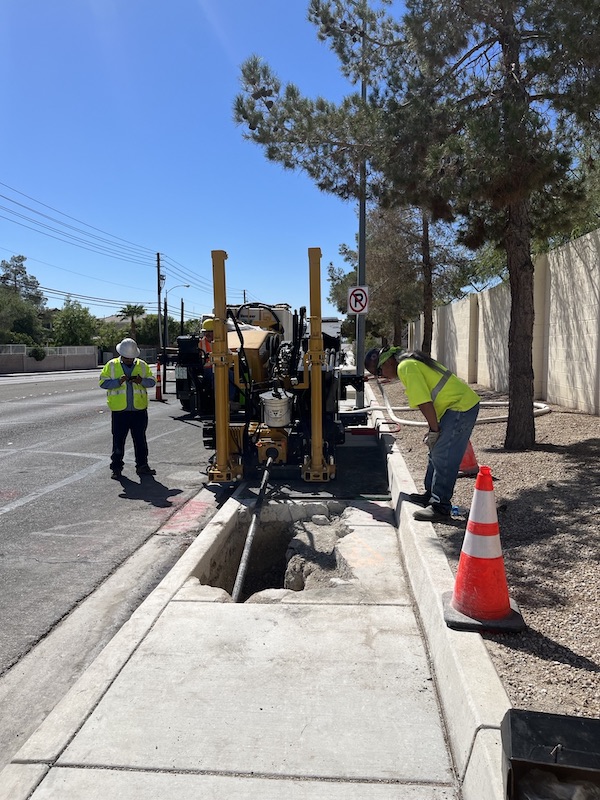
As metropolitan areas face greater demands to develop eco-friendly systems, the adaptability and efficiency of HDD position it as a vital technology moving into the future. Get more information saves time and resources for for utility installation but also boosts project safety by alleviating risks associated with usual digging methods. This makes Horizontal Directional Drilling a go-to option for city infrastructure developments, enabling cities to progress and extend while reducing interruption to daily life and ensuring that utility advancements keep pace with urban expansion.
Future Trends and Innovations in HDD
As we turn toward the future of horizontal directional drilling, we can anticipate substantial advancements driven by technology and increased demand for sustainable practices. The integration of AI and machine learning will enhance project planning and implementation, enabling contractors to analyze vast amounts of data for better decision-making. These advancements will allow for predictive analytics that anticipate challenges before they arise, thus streamlining the entire HDD process.
Additionally, the emphasis on environmental protection will lead to a stronger focus on sustainable technologies in HDD. Practices such as the use of biodegradable drilling fluids and developments in tools that minimizes sound and pollution are already on the rise. Companies are likely to allocate resources in research and development to develop tools and techniques that reduce environmental effects while ensuring efficient operations in fragile areas.
Lastly, as urban infrastructure continues to evolve, the demand for HDD will increase, particularly for telecom and green energy projects. The technology will adjust to meet the needs of crowded environments and challenging terrains. Furthermore, collaboration between industry players will foster creative approaches to address complex installations, guaranteeing HDD remains at the forefront of trenchless technology for decades to follow.